Smart Garden and Irrigation Systems: UK Options That Actually Save Water
Weather-aware smart sprinkler and irrigation systems water your garden only when it actually needs it - a genuine water saver in a country with hosepipe bans and expensive metered water.
Contents
- Check Your Outdoor Tap Fitting First
- What to Actually Look For
- How “Smart” Watering Actually Decides What to Do
- Quick Comparison
- Best Overall: Gardena Smart System
- Best Simple Wi-Fi Option: Netro Sprite
- Best Budget Option: Melnor Smart Water Timer
- Pair With a Water Butt for Extra Savings
- Hosepipe Bans Are Regional, Not National
- Frequently Asked Questions
- Will a smart irrigation controller actually save me money?
- Do these work during a hosepipe ban?
- How many zones does a typical UK garden actually need?
- What happens if my Wi-Fi goes down while I’m away?
- Who Should Skip This
- Our Recommendation
Smart irrigation controllers water your garden based on actual weather data - skipping a scheduled watering after rain, or adjusting run-time during a dry spell - rather than firing on a fixed timer regardless of conditions. In a country that regularly sees both summer hosepipe bans and long wet stretches, that adaptiveness is the entire point: you get a consistently well-watered garden while actually using less water than a manual routine.
Check Your Outdoor Tap Fitting First
Most UK outdoor taps use a standard hose connector fitting compatible with the usual quick-connect hose fittings sold in UK garden centres. Before buying any smart controller, check the product specifically lists UK/EU hose thread compatibility (or ships with the correct adaptor) - a number of smart irrigation products are designed primarily around US hose bib threading and need an adaptor to fit a UK tap properly. It’s also worth checking your tap has reasonable static water pressure; most UK mains supply is fine, but a tap fed from a header tank or older plumbing can occasionally struggle to run more than one zone at a time.
What to Actually Look For
- Local weather-skip vs forecast-only - some controllers just pull a regional forecast API; better ones (with an optional soil moisture or rain sensor) react to what’s actually happening in your garden, which matters given how localised UK summer showers can be
- Number of zones - a single hose timer covers one area; multi-zone systems let you water a vegetable bed differently from a lawn or borders
- Power source - most hose-end timers are battery powered (check expected battery life, usually one growing season per set), while whole-garden systems often need mains power at the controller
- App vs local schedule - check the device still runs its last schedule if your Wi-Fi or the manufacturer’s servers go down, rather than defaulting to no watering at all
How “Smart” Watering Actually Decides What to Do
The better controllers here don’t just check “did it rain” - they use evapotranspiration (ET) modelling, which combines local temperature, humidity, wind and sun exposure to estimate how much moisture your soil is actually losing day to day, then adjusts run-time accordingly rather than just skipping a session after rain and running full duration otherwise. This is a meaningfully more accurate approach than simple rain-skip logic, particularly for the changeable, showery weather typical of a UK summer, where a forecast can be wrong by the time your scheduled watering slot arrives. A soil moisture sensor (available as an add-on for Gardena and Netro) goes a step further, measuring ground conditions directly rather than modelling them from weather data - genuinely more accurate again, but only for the specific spot the sensor’s actually placed in, so one sensor covering a garden with very different soil types or sun exposure in different beds won’t be equally accurate everywhere.
Quick Comparison
| Product | Zones | Typical Price | Best For |
|---|---|---|---|
| Gardena Smart System | Multi-zone (expandable) | £130-200+ | UK/EU fittings, soil sensor data, expandable ecosystem |
| Netro Sprite | Single zone per unit | £60-90 | No hub needed, weather-forecast auto-skip |
| Melnor Smart Water Timer | Single zone | £30-45 | Lowest-commitment entry point |
Best Overall: Gardena Smart System
Gardena is a German brand with strong UK garden centre presence, and their Smart System is built specifically for European hose fittings and garden layouts. The Smart Water Control unit connects to your outdoor tap and app, with the Smart Sensor add-on measuring actual soil moisture, light, and temperature to fine-tune watering rather than relying purely on weather forecast data. The wider Gardena Smart System also covers robotic lawnmowers if you want to expand later, all through the same app and hub.
- Pros: genuine soil moisture data (not just forecast guessing), expandable into lawnmowers and other Gardena smart devices, built for UK/EU fittings from the start
- Cons: highest upfront cost, the Smart Sensor add-on is a separate purchase to get the full soil-data benefit
Check Gardena Smart System on Amazon UK →Affiliate link
Best Simple Wi-Fi Option: Netro Sprite
The Netro Sprite is a Wi-Fi-connected smart hose timer with no separate hub required. It pulls local weather forecast data automatically to adjust or skip scheduled watering, and the app lets you set up different plant zones (lawn, vegetable bed, borders) with different watering needs. Battery-powered, so no wiring, and straightforward enough for a single-zone garden or allotment plot. Netro also sells a soil moisture sensor separately if you want to move beyond forecast-only adjustment without committing to the full Gardena ecosystem.
- Pros: no hub needed, connects directly to home Wi-Fi, genuinely useful weather-based auto-skip out of the box
- Cons: one unit covers one tap/zone, so a garden with multiple watering areas needs multiple units
Check Netro Sprite on Amazon UK →Affiliate link
Best Budget Option: Melnor Smart Water Timer
The Melnor smart timer is a straightforward Bluetooth hose-end timer - cheaper than the Wi-Fi options above, controllable from an app when you’re within Bluetooth range, with basic scheduling. It lacks the automatic weather-skip intelligence of Gardena or Netro, but it’s a reasonable low-commitment way to try app-based watering control before investing further. Because it’s Bluetooth rather than Wi-Fi, you can’t check on or adjust it remotely while away from home - it’s a “set it before you leave” device rather than a fully connected one.
- Pros: cheapest entry point, simple to set up, no ongoing subscription or hub
- Cons: Bluetooth-only (no remote control away from home), no automatic weather-skip
Check Melnor Smart Water Timer on Amazon UK →Affiliate link
Pair With a Water Butt for Extra Savings
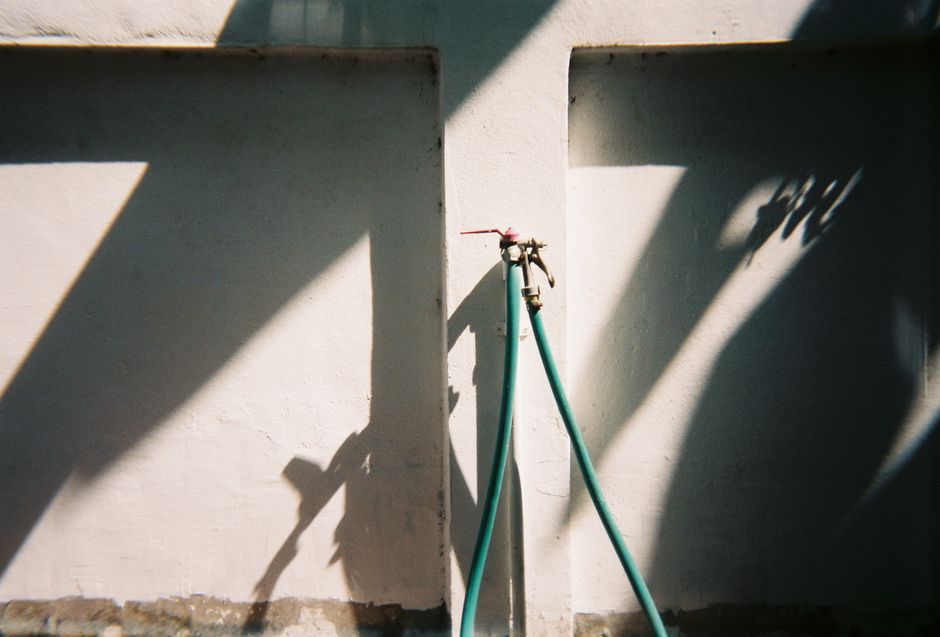
If you’re on a water meter, pairing a smart controller with rainwater harvesting (a simple water butt connected to a downpipe) reduces mains water use further - the smart controller still decides when and how much to water; the water butt just changes where some of that water comes from. A gravity-fed water butt won’t have enough pressure to run most smart timers directly, so this usually means a small submersible pump between the butt and the controller if you want it fully automated rather than manually filling a watering can.
Hosepipe Bans Are Regional, Not National
Worth knowing before you invest in any irrigation setup: hosepipe bans in the UK are issued by individual water companies covering their own supply area, not announced nationally, so a ban in one part of the country doesn’t necessarily mean your area is affected, and vice versa - check your specific water company’s current restrictions rather than assuming from general news coverage. During an active ban, automated sprinkler and irrigation system use is typically restricted in the same way as manual hosepipe use, regardless of how efficiently your system waters, so a smart controller doesn’t exempt you from the restriction - its main value during a ban period is making sure you’re not accidentally over-watering the moment restrictions lift.
Frequently Asked Questions
Will a smart irrigation controller actually save me money?
If you’re on a water meter, yes - weather-based skipping typically reduces total watering volume compared with a fixed manual schedule, since most people over-water “just in case” rather than checking conditions daily. If you’re on an unmetered supply, the saving is less about money and more about plant health and not wasting water needlessly during a hosepipe ban.
Do these work during a hosepipe ban?
A hosepipe ban restricts how you’re allowed to use a hosepipe, not whether your controller is smart - check your water company’s specific rules, since sprinkler and irrigation system use is usually restricted or banned entirely during these periods regardless of how efficiently the system waters.
How many zones does a typical UK garden actually need?
Most UK gardens genuinely need just one or two zones - a lawn area and, if present, a vegetable bed or greenhouse with different watering needs. Multi-zone systems like Gardena’s are worth their extra cost mainly for larger or more varied gardens with genuinely different plant types (a lawn, a vegetable patch, and ornamental borders, say) rather than a standard-sized back garden.
What happens if my Wi-Fi goes down while I’m away?
Check this specifically before buying - the better controllers (Gardena and Netro both do this) fall back to running their last confirmed schedule locally rather than simply not watering at all if they lose connectivity, which matters a lot if a router reboot or ISP outage happens while you’re away for a week.
Who Should Skip This
If your garden is small enough to water by hand in a few minutes, or you’re already good about checking the forecast and adjusting a manual timer yourself, a smart controller is a genuine but modest convenience rather than a necessity. It earns its keep specifically for larger gardens with multiple distinct watering zones, anyone who travels and needs the garden to look after itself reliably, or households on a water meter where the reduced over-watering genuinely shows up on the bill.
Our Recommendation
For most UK gardens: Gardena Smart System - built for European fittings, expandable, and genuinely useful soil sensor data rather than forecast-only guessing. For a lower-commitment single tap/hose setup: Netro Sprite. On a tight budget: Melnor, accepting you’ll do a bit more manual schedule adjustment yourself.
As an Amazon Associate we earn from qualifying purchases. This doesn’t affect our recommendations.
Related guides
 GUIDE
Smart Home Gear That Actually Works in a Small Flat or Shared House (UK)
What to buy for communal areas vs your own room in a house share, and how…
 GUIDE
Smart TVs and Streaming Boxes for a Connected Home: UK Picks
Apple TV, Fire TV Stick and Chromecast compared for how well each plugs into your existing…
 GUIDE
Smart Dehumidifiers UK: Which Ones Are Actually Worth Automating
Meaco, Pro Breeze and EcoAir smart dehumidifiers compared for tackling UK damp and condensation, plus a…