Zigbee vs Matter vs Wi-Fi: Which Smart Home Protocol Should You Choose?
A plain-English guide to Zigbee, Matter, Wi-Fi, Thread and Z-Wave smart home protocols - what they are, how they differ, and which to choose for your UK smart home.
Contents
- Wi-Fi Smart Home Devices
- Advantages
- Disadvantages
- Zigbee
- How the Mesh Works
- Advantages
- Disadvantages
- Matter
- Advantages
- Disadvantages
- Thread
- Z-Wave
- Which Should You Choose?
- Frequently Asked Questions
- Can Zigbee, Matter and Wi-Fi devices all run on the same smart home setup at once?
- Which protocol is safest to bet on for the next 5-10 years?
- Related Guides
When you start buying smart home devices, you’ll quickly encounter a wall of protocol acronyms - Zigbee, Matter, Wi-Fi, Z-Wave, Thread, Bluetooth. Understanding the differences isn’t just academic: the protocol determines whether your devices work together, whether they need a hub, and how reliably they’ll perform years from now.
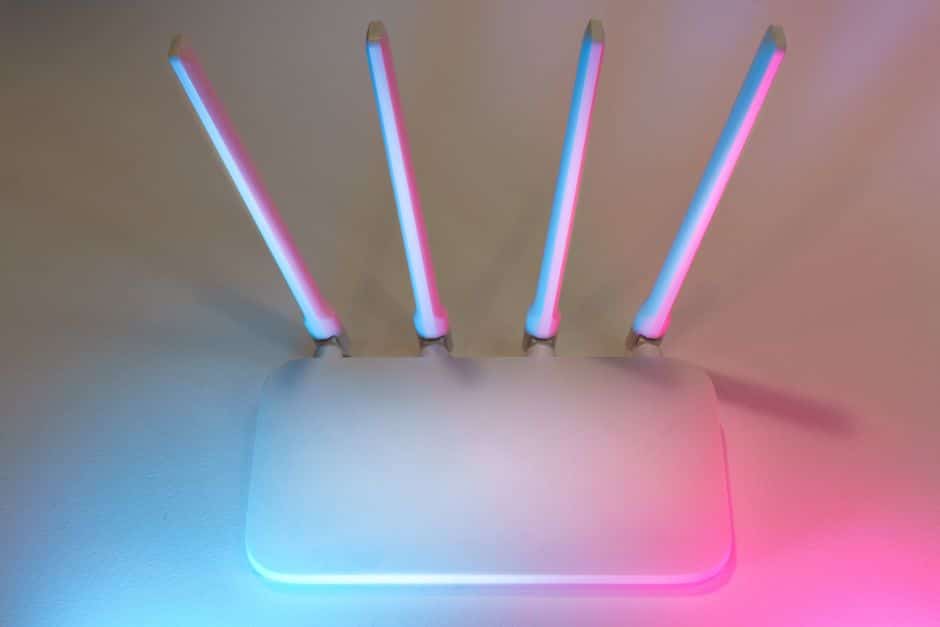
This guide explains what each protocol actually is, its practical advantages and disadvantages, and which you should choose for your setup.
Wi-Fi Smart Home Devices
Wi-Fi is the simplest protocol to understand because you already use it. Wi-Fi smart home devices - bulbs, plugs, cameras, switches - connect directly to your home router, just like your phone or laptop. No extra hub required.
Advantages
- No hub needed - buy a device, connect to Wi-Fi, done
- Fastest data speeds - good for video cameras and devices that stream data
- Works anywhere in Wi-Fi range
- Easy to find and buy - most budget smart home devices are Wi-Fi
Disadvantages
- Strains your router - every device takes up a Wi-Fi slot. A home with 40 smart devices has 40 extra clients on the network, which can cause congestion and reliability issues
- Higher power draw - Wi-Fi radios use more power than Zigbee or Thread, making it unsuitable for battery-powered sensors
- Cloud-dependent - most Wi-Fi smart devices route through the manufacturer’s cloud, meaning they need working internet and stop functioning if the company shuts down their servers
- Security risks - more network-connected devices means more potential attack surface
Best for: Cameras, smart TVs, smart speakers, and situations where you want simple setup without a hub. Not ideal as the foundation of a large smart home device network.
Zigbee
Zigbee is a low-power mesh networking protocol specifically designed for smart home devices. It operates on the 2.4GHz radio band (same as Wi-Fi, but different channels) and is used by Philips Hue, IKEA TRÅDFRI, Aqara, Sonoff, and many others.
How the Mesh Works
Zigbee’s defining feature is its mesh networking: each mains-powered Zigbee device also acts as a signal repeater. Add a Zigbee bulb in your hallway and it extends the network to your front door. Add one in the kitchen and it bridges the signal to the garage. The network becomes more robust as you add more devices - the opposite of Wi-Fi, where more devices means more congestion.
Advantages
- Mesh networking - range extends with every mains-powered device you add
- Very low power - ideal for battery-powered sensors, door contacts, and motion detectors
- Doesn’t congest your Wi-Fi - runs on a separate radio
- Local control - with a local hub (Home Assistant, Philips Hue Bridge), everything runs locally without internet
- Mature and stable - Zigbee has been around since 2004, with an enormous range of compatible devices
Disadvantages
- Requires a hub - you need a Zigbee coordinator (Hue Bridge, Home Assistant with a USB dongle, etc.)
- Interoperability isn’t perfect - while most Zigbee devices work together, some manufacturers add proprietary extensions that cause issues. IKEA bulbs work better paired with IKEA or Home Assistant than with some third-party hubs
- Not a consumer-friendly standard - understanding Zigbee channel selection and mesh optimisation requires some technical knowledge
Best for: The backbone of a serious smart home - lights, plugs, sensors, and switches. Particularly good in combination with Home Assistant, where it shines as a reliable, local, battery-friendly mesh network.
Matter
Matter is the newest of the three and takes a different approach: it’s an application-layer standard rather than a radio protocol. Matter devices can run over Wi-Fi or Thread (more on Thread below), and the key is that a Matter device works with any Matter controller - Apple Home, Google Home, Amazon Alexa, Samsung SmartThings, Home Assistant - without any manufacturer-specific setup.
Advantages
- Universal compatibility - one device, all ecosystems
- Local control - Matter runs locally on your home network, not through a cloud
- No ecosystem lock-in - switch from Alexa to Apple Home without replacing hardware
- Future-proof - backed by Apple, Google, Amazon, Samsung, and hundreds of manufacturers
- Thread option - Matter over Thread gives you mesh networking and low power consumption similar to Zigbee
Disadvantages
- Still maturing - device selection is growing but not yet as wide as Zigbee
- Feature parity varies - some devices offer fewer features when used via a non-native Matter controller
- Thread requires a Border Router - Apple TV 4K, HomePod mini, or Google Nest Hub are needed as Thread Border Routers
- Slightly more expensive - Matter devices carry a small price premium over equivalent non-Matter options
Best for: New device purchases where you want ecosystem flexibility and future-proofing. Particularly good for plugs, switches, and sensors where the Thread variant eliminates Wi-Fi congestion concerns.
Thread
Thread is the mesh networking protocol that Matter can run on top of. Think of Thread as the radio technology and Matter as the language spoken over it. Thread offers similar benefits to Zigbee - low power, mesh networking, doesn’t use Wi-Fi - but is IP-based, meaning devices are addressable on your network directly.
Thread requires a Thread Border Router to connect the Thread mesh to your home network. In the UK, these are built into: Apple TV 4K (3rd gen), HomePod mini, HomePod (2nd gen), Google Nest Hub (2nd gen), and Amazon Echo (4th gen and later).
Z-Wave
Z-Wave is an older mesh protocol that operates at 868MHz in the UK (different to Wi-Fi’s 2.4GHz), meaning it doesn’t interfere with your wireless network at all. It has good range and reliability, and is popular for security devices and door locks where reliability is critical.
The downside is cost - Z-Wave devices are generally more expensive than Zigbee equivalents, and the ecosystem is smaller. Unless you have a specific reason to choose Z-Wave (usually reliability for security devices), Zigbee or Matter are better choices for most UK buyers starting out.
Which Should You Choose?
| If you want… | Choose |
|---|---|
| Simple setup, no hub, a few devices | Wi-Fi |
| A large home with lots of sensors and lights | Zigbee (with Home Assistant) |
| Universal ecosystem compatibility | Matter |
| Low-power sensors with Matter | Matter over Thread |
| Maximum reliability for security devices | Z-Wave |
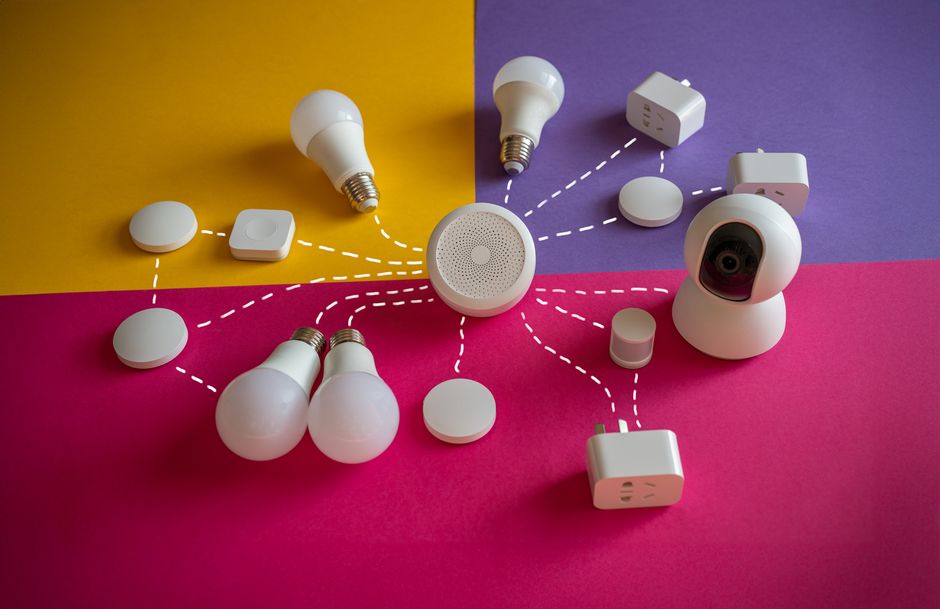
For most UK smart home builders in 2026, the practical answer is: Zigbee for your core device network (lights, plugs, sensors) with Matter for newer devices where it’s available. Home Assistant bridges both worlds and is the most flexible platform for running a mixed setup reliably.
If you’re starting from scratch and keeping things simple, Matter over Thread is increasingly the cleanest choice - particularly for plugs and switches where the device selection is now solid and the local control advantage over plain Wi-Fi is meaningful.
Frequently Asked Questions
Can Zigbee, Matter and Wi-Fi devices all run on the same smart home setup at once?
Yes - most real UK smart homes end up running a mix, and a capable hub like Home Assistant is specifically built to bridge all three under one roof, rather than forcing a single-protocol choice.
Which protocol is safest to bet on for the next 5-10 years?
Matter, backed by Apple, Google, Amazon and Samsung jointly, currently has the broadest industry commitment of any of these standards - though Zigbee’s two-decade track record and enormous existing device base means it isn’t going away either, and the two are increasingly complementary rather than competing.
Related Guides
Related guides
 GUIDE
Smart Home Gear That Actually Works in a Small Flat or Shared House (UK)
What to buy for communal areas vs your own room in a house share, and how…
 GUIDE
Future-Proofing Your Smart Home: Lessons from Discontinued Ecosystems (Wink, Insteon) UK
What the Wink and Insteon shutdowns teach us about avoiding smart home purchases that could disappear…
 GUIDE
Building Smart Home Automations That Work Across Ecosystems (Matter/Google/Alexa/Apple) UK
A practical guide to making Google Home, Alexa and Apple Home work together using Matter, and…