Google Home vs Amazon Alexa UK (2026): Which Should You Choose?
Google Home or Amazon Alexa? We compare both ecosystems for UK users - covering device range, smart home compatibility, music, shopping, and privacy.
Contents
- At a Glance
- Smart Home Device Compatibility
- Voice Assistant Quality
- Music and Media
- If You’re Already in a Google or Amazon Ecosystem
- Privacy Considerations
- Which Should You Choose?
- Frequently Asked Questions
- Which is better for smart home control - Google Home or Alexa?
- Can I use both Google Home and Alexa in the same house?
- Do I need to pay for Google Home or Alexa?
- Related Guides
Google Home and Amazon Alexa are the two dominant smart home voice platforms in the UK. Both have large device ecosystems, both work with the major smart home brands, and both have been available here long enough to be well established. But they’re not the same product - and the right choice depends on how you already use technology at home.
At a Glance
| Google Home / Nest | Amazon Alexa | |
|---|---|---|
| Voice assistant | Google Assistant | Alexa |
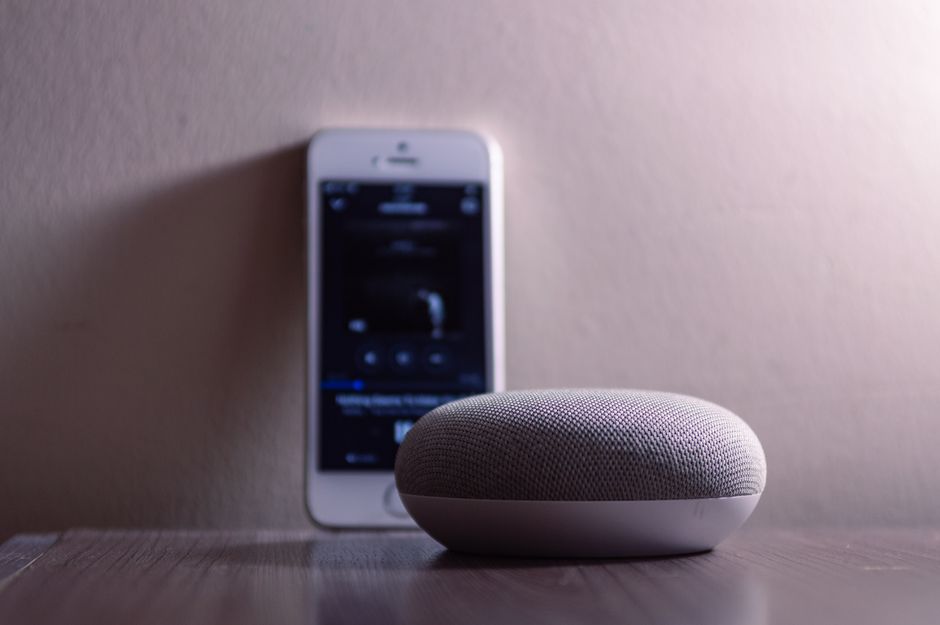
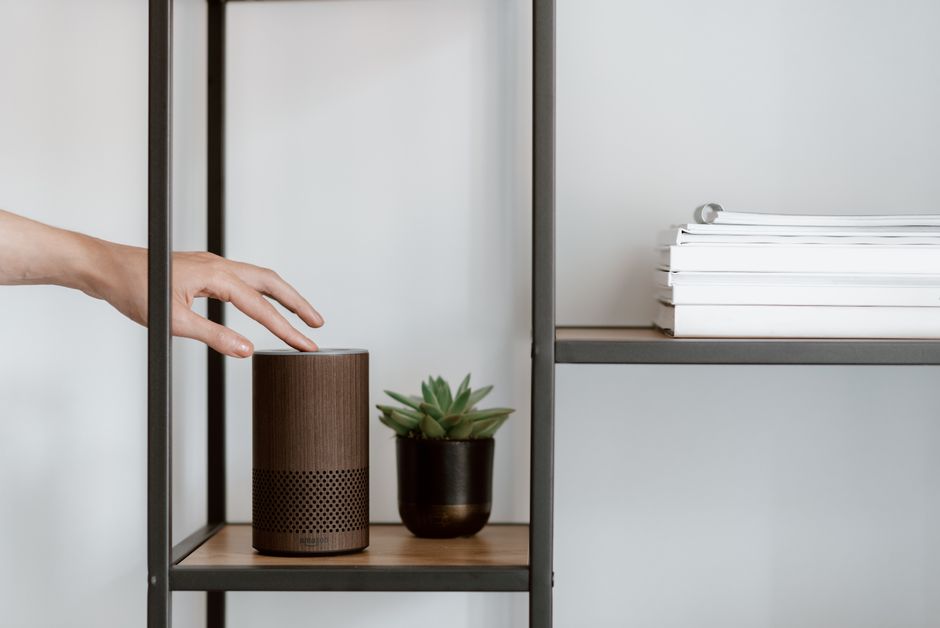
| Entry speaker | Nest Mini (£49) | Echo Dot (£54.99) |
| Display speaker | Nest Hub 2nd Gen (£89) | Echo Show 5 (£89.99) |
| Smart home devices | Works with Google Home | Works with Alexa |
| Matter support | Yes (Thread border router) | Yes (Thread border router) |
| Music default | YouTube Music / Spotify | Amazon Music / Spotify |
| Shopping | Limited | Amazon shopping built in |
| Google services | Full (Calendar, Maps, Gmail) | Basic via Skills |
Smart Home Device Compatibility
This used to be a key differentiator - Alexa had more compatible devices. In 2026, with Matter now established, this gap has largely closed. Any Matter-certified device works with both Google Home and Alexa, and that includes most new smart bulbs, plugs, sensors, and locks from major brands.
Where compatibility differences still exist is in older pre-Matter devices and proprietary ecosystems. For example:
- Philips Hue - works well with both
- LIFX - works with both
- Ring - Ring is Amazon-owned; deeper Alexa integration, limited on Google
- Nest / Google cameras - works best with Google Home
- IKEA Dirigera - works with both via Matter
- TP-Link Kasa - works with both
The verdict: If you’re building a new system from scratch using modern Matter devices, compatibility is a tie. If you’re adding to an existing set of pre-Matter devices, check which platform those devices support before choosing.
Voice Assistant Quality
Google Assistant is widely considered the better general-purpose voice assistant. It gives more accurate answers to factual questions, handles follow-up questions in the same conversation, and is better at understanding natural language. It also integrates deeply with Google Search, so if you ask “what time does Tesco close?” or “what’s on TV tonight?”, you’re more likely to get a useful answer.
Alexa is excellent at smart home control and shopping. It’s very reliable for switching lights, setting timers, playing music, and reordering products from Amazon. The Skills ecosystem is huge, though most people use only a handful of them. Alexa can feel more limited for open-ended questions outside its comfort zone.
For UK users specifically: Google Assistant handles UK-specific queries well - BBC weather, UK TV listings, local businesses. Alexa has improved here but can still default to US-centric answers occasionally.
Music and Media
Both platforms support Spotify, which is the most popular streaming service in the UK. If you use Spotify, this is a tie.
If you use Amazon Music (included with Prime), Alexa is the natural choice - it integrates deeply and you can access your Prime Music library hands-free.
If you use YouTube Music, Google Nest devices are the obvious fit. Google also has better integration with YouTube and Google Play purchases.
For BBC Sounds and BBC iPlayer: both platforms have BBC Skills/integrations, but Google tends to handle “play BBC Radio 4” type commands more reliably in our experience.
If You’re Already in a Google or Amazon Ecosystem
This is often the deciding factor:
- Already using Gmail, Google Calendar, Google Maps? → Google Home. The integration is seamless - your commute time, upcoming appointments, and reminders all work across your phone and your smart speaker
- Amazon Prime member who shops on Amazon regularly? → Alexa. Reordering staples, tracking deliveries, and shopping by voice are all native features
- Android phone user? → Slight edge to Google Home, which can read notifications, make calls, and sync with your phone more deeply
- iPhone user? → Neither integrates as deeply as Apple’s own ecosystem, so choose based on other factors
Privacy Considerations
Both platforms listen for a wake word (“Hey Google” or “Alexa”) and send audio to cloud servers for processing. Neither is zero-privacy. However:
- Google allows you to auto-delete voice activity from your Google account on a rolling basis (3 or 18 months)
- Amazon allows you to delete individual recordings or all recordings in the Alexa app; you can also turn off the microphone with a physical button on Echo devices
- Both companies have published transparency reports and have committed to not selling voice data to third parties
If privacy is a primary concern, consider Home Assistant with local voice processing (Whisper + Piper) - no cloud required. We’ve written a full Home Assistant UK guide if you want to explore that route.
Which Should You Choose?
Choose Google Home if: You’re deep in the Google ecosystem (Gmail, Drive, Maps), you want the best general-purpose voice assistant, or you’re building around a Nest camera system.
Choose Alexa if: You’re an Amazon Prime member, you want native shopping integration, or you’re adding to an existing Alexa setup. The Echo range is also generally well-priced in the UK.
Can you use both? Yes. Many people have a Google Nest Hub in the kitchen and an Echo Dot in the bedroom. Most smart home devices work with both platforms. The only friction comes if you want to control everything from a single app - in that case, pick one as your primary hub.
Shop Google Nest speakers on Amazon UK →Affiliate link
Shop Amazon Echo speakers on Amazon UK →Affiliate link
As an Amazon Associate we earn from qualifying purchases. This doesn’t affect our recommendations.
Frequently Asked Questions
Which is better for smart home control - Google Home or Alexa?
Alexa has a broader range of compatible devices and is particularly strong if you use Ring doorbells, cameras, or other Amazon products. Google Home integrates more tightly with Android phones and Google services like Calendar and Maps. Both handle everyday smart home control well - the best choice often comes down to which phone you use and which devices you already own.
Can I use both Google Home and Alexa in the same house?
Yes, and many people do. Alexa speakers in the kitchen and Google Nest in the living room, for example. Most smart home devices support both platforms simultaneously, so there’s no conflict. The downside is managing two separate apps and ecosystems, which can get complicated for complex automations.
Do I need to pay for Google Home or Alexa?
The basic apps and voice control features are free for both. Google and Amazon earn money by selling hardware (Echo speakers, Nest devices) rather than charging for the software. Some features like extended Alexa routines with AI require Alexa+ at £3.99/month, but basic smart home control is free on both platforms.
Related Guides
Related guides
 GUIDE
GUIDE
Setting Up Automations in the Apple Home App: A Complete UK Guide
The Apple Home app has quietly become a genuinely capable automation platform, not just a remote…
 GUIDE
GUIDE
Smart Home Gear That Actually Works in a Small Flat or Shared House (UK)
What to buy for communal areas vs your own room in a house share, and how…
 GUIDE
GUIDE
Future-Proofing Your Smart Home: Lessons from Discontinued Ecosystems (Wink, Insteon) UK
What the Wink and Insteon shutdowns teach us about avoiding smart home purchases that could disappear…