Smart Home Devices for Landlords & Rental Properties UK
Not for the tenant living there - for the landlord managing the place remotely. Leak detection, remote access codes and noise monitoring that actually reduce risk.
Contents
- The Risk Landlords Actually Care About
- Smart Locks: Remote Access Without a Key Handover
- The Insurance Detail Most Smart Lock Buyers Miss
- Water Leak Detection: The Highest-Value Device on This List
- Remote Heating Control: Preventing Frozen Pipes in a Void Period
- Smoke and CO Alarms Landlords Are Legally Required to Fit
- Noise and Occupancy Monitoring for Short Lets
- Energy Monitoring: Spotting Problems Before the Bill Arrives
- What Happens When the Smart Lock Loses Power or Wi-Fi
- What Tenants Should Be Told
- Frequently Asked Questions
- Do I need tenant permission to fit smart devices in a rental?
- Which single device gives the best return for a self-managed landlord?
Our guide to smart home devices for renters is written for tenants adding their own gadgets without upsetting a landlord. This one is the other side of that relationship - devices landlords themselves fit that reduce risk, cut down on emergency call-outs, and make managing a property remotely genuinely easier, particularly for anything let out as a short-term or self-managed rental.
The Risk Landlords Actually Care About
The expensive incidents in a rental property are rarely dramatic - they’re a burst pipe discovered three weeks late, a boiler running a cold empty flat all winter because a tenant left, or a short-let guest hosting a party that damages the property and upsets neighbours. Every device below exists to catch one of these earlier, or prevent it happening at all.
Smart Locks: Remote Access Without a Key Handover
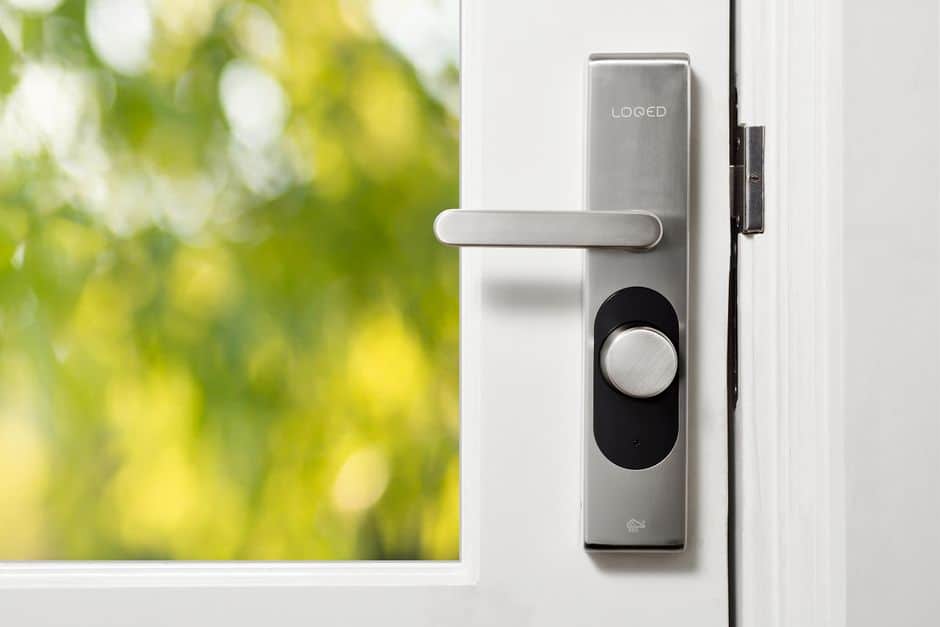
For self-managed lets in particular, a smart lock (see our full smart lock guide) removes the physical key handover entirely - generate a unique access code per tenant or contractor, set it to expire automatically at the end of a tenancy or a single trade visit, and get a log of exactly when the door was used. For a change of tenant, there’s no locksmith call-out for a rekey; you simply issue a new code. Budget roughly £150-250 for a landlord-grade smart lock plus fitting, against the cost of even a single emergency locksmith call-out (often £80-150 alone) - the lock typically pays for itself within a couple of tenant turnovers.
The Insurance Detail Most Smart Lock Buyers Miss
Worth checking before fitting one, since it can quietly invalidate cover otherwise. Many UK landlord and buildings insurance policies specifically require the final exit door to have a lock meeting BS3621 (the British Standard for thief-resistant locks), and not every smart lock on the market is BS3621 certified - some retrofit smart lock models sit on top of an existing cylinder rather than replacing it, which can satisfy this if the underlying cylinder is still BS3621-rated, while others replace the cylinder entirely with a non-certified one. Before buying, check the specific product’s certification rather than assuming “smart” implies “insurance-compliant,” and if in doubt, contact the insurer directly to confirm the exact model is acceptable - a rejected claim over lock certification after a break-in is a far more expensive outcome than the modest cost difference between a certified and uncertified model upfront.
Water Leak Detection: The Highest-Value Device on This List
A smart water leak sensor under the kitchen sink, by the boiler, and near a washing machine is genuinely one of the highest-value devices a landlord can fit - a slow leak discovered in week one instead of week four is the difference between a minor repair and a full damp/mould remediation job, and insurers increasingly ask directly whether leak detection is fitted when assessing a claim. At roughly £15-20 per sensor, fitting three or four across a property costs less than a single call-out for a plumber, let alone a genuine escape-of-water claim.
Remote Heating Control: Preventing Frozen Pipes in a Void Period
A property standing empty between tenancies over winter is a genuine frozen-pipe risk if the heating isn’t managed. A smart thermostat set to a frost-protection minimum temperature, controllable remotely without a site visit, is a simple and cheap way to avoid a burst pipe during an empty period - and for tenanted lets where bills are included in the rent, remote visibility into usage patterns can flag a stuck-on heating system before the bill does.
Smoke and CO Alarms Landlords Are Legally Required to Fit
It’s worth stating plainly: English law already requires landlords to fit a working smoke alarm on every storey with a room used as living accommodation, and a carbon monoxide alarm in any room with a solid fuel-burning appliance. Smart interconnected versions (where every alarm sounds if one triggers, and you get a push notification even when away) go beyond the legal minimum, but are worth the modest extra cost specifically because they let a landlord know about a triggered alarm in an empty or short-let property immediately, rather than finding out after the event.
Noise and Occupancy Monitoring for Short Lets
For short-let and Airbnb-style properties specifically, noise monitoring devices (Minut is the best-known brand in this space) track sound levels and occupancy counts without recording audio or video - designed specifically to flag an unauthorised party or unusually high guest count early enough to intervene, while sidestepping the obvious privacy problems of an actual camera or microphone inside the property.
Check Minut Noise Monitor on Amazon UK →Affiliate link

Energy Monitoring: Spotting Problems Before the Bill Arrives
Where a landlord covers utility costs (common in HMOs and some short lets), a smart energy monitor gives visibility into unusual usage spikes - a heater left running, an appliance fault - without waiting for a quarterly bill to reveal it after the fact.
What Happens When the Smart Lock Loses Power or Wi-Fi
Worth thinking through before relying on a smart lock for tenant or contractor access, since it’s the scenario landlords worry about most in practice. Battery-powered smart locks (the overwhelming majority sold in the UK) keep working locally on battery power even if the property’s Wi-Fi or broadband goes down - it’s remote features (issuing a new code from an app, receiving access logs in real time) that stop working, not the lock’s ability to open with an already-issued code. What genuinely does need planning for is the battery itself: most models give a low-battery warning well in advance and support emergency power via a 9V battery terminal or USB-C port on the outside of the lock, but a tenant unaware of this can still end up locked out if the battery dies without warning being noticed. Providing a written note on where the emergency power terminal is, plus keeping one traditional physical key as a genuine backup rather than relying on the smart lock exclusively, avoids the worst version of this scenario - a call-out at midnight because nobody could get the door open.
What Tenants Should Be Told
- Any device with a microphone or camera inside a let property needs to be disclosed to tenants clearly and, in most cases, avoided entirely inside private living spaces - noise/occupancy sensors like Minut are specifically designed to avoid this issue by not recording audio or video content
- Smart lock access logs and energy data are personal data under UK GDPR if tied to an identifiable tenant - have a clear policy on what’s collected and why
- Be upfront in the tenancy agreement about which smart devices are fitted and what they monitor
Frequently Asked Questions
Do I need tenant permission to fit smart devices in a rental?
Devices that don’t monitor the tenant directly (leak sensors, thermostats, energy monitors) generally don’t need specific consent beyond normal access-for-maintenance rights, but anything recording audio, video, or occupancy should be clearly disclosed in the tenancy agreement, and cameras inside private living space should generally be avoided entirely.
Which single device gives the best return for a self-managed landlord?
Water leak sensors have the strongest cost-to-risk ratio here - a handful of £15-20 sensors against the realistic cost of an undiscovered leak makes this the easiest first purchase to justify, ahead of even the smart lock.
For more on how smart devices interact with cover generally, see our smart home and insurance guide.
Related guides
 GUIDE
Smart Home Gear That Actually Works in a Small Flat or Shared House (UK)
What to buy for communal areas vs your own room in a house share, and how…
 GUIDE
Future-Proofing Your Smart Home: Lessons from Discontinued Ecosystems (Wink, Insteon) UK
What the Wink and Insteon shutdowns teach us about avoiding smart home purchases that could disappear…
 GUIDE
Smart TVs and Streaming Boxes for a Connected Home: UK Picks
Apple TV, Fire TV Stick and Chromecast compared for how well each plugs into your existing…